
WELCOME TO SHOFAR’S MINISTRY
TRAINING PROGRAMME
WHY MTP?
The Ministry Training Programme (MTP) is a three-week, hands-on journey designed to help you step with confidence into God’s calling for your life. It’s not just about preparing for ministry—it’s about being shaped, stretched, and encouraged as you grow in intimacy with Jesus and learn to serve His people.
Each week is built around real-life ministry opportunities, giving you space to put faith into practice while walking closely with your local pastor. A unique part of the journey is the Fieldnotes of Faith—a personal diary that helps you reflect, ask honest questions, and discover how God has wired you to serve in His church.
You won’t walk this road alone. Throughout MTP, you’ll be guided by leaders who love Jesus deeply and have spent years serving His people. They don’t just share knowledge—they share their lives, walking alongside you as mentors and fellow disciples. Their heart is to help you discover your own unique role in building God’s Kingdom.
MTP is also a place of refreshing for pastors already in the field, and a place of equipping for new leaders stepping into ministry. Whether you’re starting out or seeking renewal, this journey creates space for God to deepen your roots, strengthen your faith, and prepare you for what lies ahead.
Listen to some MTP testimonies:
MTP CURRICULUM
Our comprehensive 3-week Ministry Training Programme occurs twice a year and is designed around a powerful progression that mirrors the heart of effective Christ-like leadership:
HEART → COMMUNITY → MISSION
WEEK 1: HEART – Building Your Inner Foundation
Ministry begins from the inside out. Week one focuses on cultivating the spiritual core that sustains authentic leadership. You’ll explore the heart of pastoral ministry, learn to discern God’s voice for your season, and establish the character foundation that anchors everything you do. Through sessions on intercession, discipleship formation, and developing a culture of sonship, you’ll discover that effective ministry flows from intimacy with God and personal spiritual maturity.
Key Focus: Who you are before God shapes everything you do in ministry.
Topics for Week 1
Proclaiming the Word Part 1: A Word in Season
How to discern what the Lord is saying in a season and how to prophetically partner with the voice of the Lord.
Follow-ups in Church
Why follow-ups are essential in establishing a healthy church culture of welcoming the stranger and how the lonely are slotted into the family of God.
The Heart of the Pastor
This module delves into the emotional and spiritual life of a pastor, emphasizing compassion, humility, and perseverance. It explores the unique burdens and joys of pastoral ministry, encouraging leaders to cultivate Christlike character.
Disability in the church
This session explores the churches calling to love and care for those with disabilities. Christ calls his disciples to love the “least of these” (Matthew 25).
Ministry with the Elderly
The elderly are usually an untapped resource in the life of ministry of a local church. With aging populations and the Scriptures’ emphasis on the honour due to the elderly, this session explores how we can partner with the elder in serving in our churches.
The Redemptive Gifts
This session will help you in your communication with other people. Every one of us is different with different sets of gifts, strengths, and weaknesses. Knowing and understanding our (and others’) strengths and weaknesses will immensely improve how we work with people in ministry.
Discipleship Part 1: Discipleship and Faith Formation
This session focuses on intentional discipleship within the church. The goal of discipleship is the Imitation of Christ, with a specific focus on the renovation of our desires (Romans 8:29; 1 John 2:6). This formation occurs as the believer responds to the presence and grace of God through facilitated encounters and disciplined practices (2 Corinthians 3:18; Philippians 2:12-13). If we are not deliberate about the discipleship of our members, believers will fail to bear fruit and might fall away from the faith (2 Peter 1:3-11).
Eldership within the Church
To understand the biblical model for pastoral leadership within the church. It is to the benefit of a church that there is a healthy plurality of elders who are responsible for the pastoral oversight in the congregation.
Intercession
Leaders are called to follow the example of Christ who forever lives to make intercession for the church. This session will focus on the heart, importance, and practicalities of intercession in ministry. When we submit ourselves, others, and our ministries to God, He imparts His vision, heart, and empowerment to us to minister with boldness and effectiveness.
Establishing a Culture of Sonship in Church
If we are raising sons, our priority should be to raise sons (and daughters) of Jesus, not sons of ourselves, our pastor, or anyone else. This session aims to inspire participants to help their church members grow in the Gospel. Sonship is a tree that grows in the soil of the true Gospel.
From the City to the Church
The goal is to build a clear pathway for growth into spiritual maturity, helping pastors think critically about how people move through the church and what happens at each ministry programme within the church. We want to be intentional with the people God has given us.
Power of Vision
This session aims to demonstrate and emphasise the interconnectedness between the process of vision formation, clarification, and spiritual formation. We want to avoid a mere cognitive or mechanical approach to vision formation. Instead, we want to pursue an understanding of vision where we, as individuals and corporately, are being shaped by the Holy Spirit to look, talk, and act more like Jesus.
Regional Structure, Communication, and Pastoral Mandate
This session outlines the organisational framework and leadership structure within Shofar Christian Church. It focuses on effective communication across regions and the role of pastors in maintaining unity, care, and vision within the body. It also the discuss the responsibilities and duties of a pastor.
Our Christian Duty Towards our Leaders
This session teaches the biblical foundation for honouring and supporting spiritual leaders. It explores principles of submission, encouragement, and mutual accountability within the body of Christ.
WEEK 2: COMMUNITY – Building Through Word and Relationship
Strong ministry requires both a sound biblical foundation and healthy relational dynamics. Week 2 equips you with essential tools for communicating God’s truth through training in hermeneutics and homiletics (learning to rightly interpret and powerfully preach Scripture). You’ll integrate solid theology into every aspect of ministry while developing skills to facilitate the gifts of the Spirit, balance the five-fold ministry, and lead teams with wisdom. Through transformational encounters, board management training, and discipleship pathways, you’ll discover how biblical truth and healthy relationships work together to build authentic community.
Key Focus: Combining biblical faithfulness with relational health to build a strong community of faith.
Topics for Week 2
Balancing the Five-fold Ministry
This module examines the roles of apostles, prophets, evangelists, pastors, and teachers in equipping the Church. It emphasises the importance of balance and collaboration among the five-fold gifts to build up the body of Christ.
Facilitation of the Gifts in the Church
This session discusses the orderly facilitation and flow of the gifts of the Spirit according to 1 Corinthians 12-14. Everyone is invited to participate in the supernatural move of God and the Holy Spirit is the One who empowers us to operate in the supernatural.
Growing our Churches Part 1: The Phases of Church Growth
Insights from a seasoned church planter is shared on the various stages of church growth and how to position yourself and your church in each stage. As our churches grow, we will also develop more capacity to expand our reach into the communities.
Inspirational Leadership Part 3
This session explores what it means to lead with vision, passion, and authenticity. It challenges students to cultivate influence through character and conviction, not position. Key principles include servant leadership, encouragement, and mobilising others toward a shared goal.
Sanctification
As ministers, we are called to minister from a place of wholeness. In this session, we will focus on the sanctification of the whole person. Underlying spiritual issues may be the root cause of certain behaviours and these are addressed to be healed. We know that God wants to cleanse us from all unrighteousness.
Life Encounter
Life Encounter is the first seminar in our Encounter discipleship series. In this session, we will look at the different aspects of Life Encounter and the practicalities of presenting Life Encounter at your church.
Destiny Encounter
Destiny Encounter is all about dealing with past hurts and stepping into our God-given destiny. In this session, we will look at the different aspects of Destiny Encounter and the practicalities of presenting Destiny Encounter at your church.
Managing Boards
This session provides practical tools for serving on or leading church boards effectively. Topics include governance, accountability, strategic planning, and biblical stewardship. Emphasis is placed on building trust, making wise decisions, and maintaining unity in leadership.
Proclaiming the Word Part 2: Hermeneutics and Homiletics
This module equips students with foundational principles for interpreting Scripture (hermeneutics) and effectively communicating its truths (homiletics). It helps students in preaching the Word faithfully and fruitfully.
Theology in Ministry
This session emphasises the integration of sound theology into every aspect of ministry. Students explore the different sub-disciplines of theology and the importance of having a solid theological foundation in ministry.
Mercy Ministry
Caring for the poor, the marginalised, and the weak is very close to God’s heart. In this session, we will look at the heart behind mercy ministry within church.
Discipleship Part 1: Shofar Discipleship Track
This module showcases Shofar’s framework for discipleship. It outlines the growth track or plan for anyone who comes into Shofar. The end goal of the discipleship track is for people to mature in their walk with Christ and to become disciple-makers themselves.
Letsgo Missions
Our vision is to reach nations and generations through disciple-making, leadership development, and church planting. In this session, we will discuss the heart and the practicalities of taking the Gospel to the nations.
The Heart of Bible School
This session explores the foundational values and spiritual heartbeat behind our Bible School course. It emphasises that Bible school is not primarily about academic learning but about transformation, calling, and intimacy with God.
WEEK 3: MISSION – Expanding God’s Kingdom
The ultimate goal of ministry is reaching beyond ourselves to fulfil the Great Commission. Week 3 turns your focus outward with practical training in evangelism strategies, church planting, and cross-cultural ministry. You will discover how to build ministry partnerships, develop and train volunteers, and create systems that will multiply your impact. This final week transforms your heart and community into a launching pad for reaching the lost with the Gospel.
Key Focus: Taking your inner formation and relational health to impact the world.
Topics for Week 3
Evangelism Strategy for your Church
The Gospel is powerful. Indeed, the Gospel is God’s power unto salvation for those who believe. This session explores how to effectively share the Gospel and how various parts of the church can be involved in outreach to the lost.
Ministry Partnerships
This session explores the power of partnering with other churches, non-profit organisations, and ministries to effectively reach our communities for Christ.
Volunteers Part 1
This session focuses on how we can identify, raise up, and equip people in our churches to become volunteers leading various ministries within the Church.
Volunteers Part 2
This session focuses on the various aspects of volunteers within the Church. We will look at how to build healthy volunteer teams, how to lead volunteer teams, and how to care for our volunteers so that they can flourish in their serving within the Church.
Freedom Encounter
Freedom Encounter is about spiritual freedom and deliverance. In this session, we will look at the different aspects of Freedom Encounter and the practicalities of presenting Freedom Encounter at your church.
Kiddies Church
Jesus said: “Let the little ones come to Me, and do not hinder them.” Children’s ministry is a vital ministry within the Church. In this session, we will focus on the heart and the practicalities of leading a children’s church ministry.
Building Healthy Interdependent Teams
This session highlights the importance of having healthy interdependent teams and relationships within the ministry. No minister can survive on his/her own. We need one another. We also need to know what God’s heart and season are for any specific ministry team within the church. This session will also look at the heart of being part of a larger church family (the interconnectedness of the local congregation with the region and national leadership).
Small Groups
This module emphasizes the strategic role of small groups in building community and fostering discipleship. Students learn to lead and structure groups that are relational, Spirit-led, and mission-focused.
Church Services and Events
How to effectively administrate, organise and run church services and other church events. We will look at the heart for why we must pursue excellence in our church services and other events, and also the practicalities for successfully running big events (like Sunday services).
Planting Missional Churches
Church planting expands the reach of the Gospel, cultivates new communities of faith, and empowers leaders to bring transformation to unreached areas and people groups. In this session, we will explore the motivation for planting new churches as well as some practicalities of planting new churches.
Inspirational leadership Part 2
When someone or something inspires us, it can propel us to do great things. This session will focus on the importance of having an inspirational leadership culture in the Church that can inspire people to do great things for the Lord.
Inspirational leadership Part 3
It is good that we have leaders in our lives who walk a road with us. As we learn from their wisdom in the Lord, we are also empowered to grow in wisdom in the Lord so that we can also lead others.
Marriage and Family in Ministry
This module addresses the challenges and blessings of balancing family life with ministry responsibilities. It offers biblical guidance and practical wisdom for maintaining healthy marriages and raising children while serving in leadership. It also focuses on how we can minister to families within our churches.
Church Discipline
This session explores the often-misunderstood topic of church discipline from a biblical perspective. It emphasises restoration, accountability, and the protection of the flock.
Praise and Worship
Praise and worship centre our hearts on God. It creates space for His presence and unites the Church in expressing love, reverence, and faith. This session will explore the heart and the practicalities of leading a worship team within your church.
Cross-Cultural Ministry
Cross-cultural ministry equips us to share the Gospel with sensitivity and respect, building bridges across diverse backgrounds to reflect the welcoming heart of Christ.
Time Management
When we look at our weekly schedules, we will soon find out what we prioritise. In this session, we will look at the upward call that Christ has on our lives and how we can properly prioritise our time so that we can walk in this call from Christ.
Growing our Churches Part 2: Statistics and Faith Targets
This session will look at how church attendance statistics can help us better understand the overall health and growth of our churches.
Growing our Churches Part 3: Living out the Great Commission
This session focuses on the heart behind why and how we grow our churches. Jesus called us to make disciples of all nations. When we think about church growth, we must always remember that growth is ultimately about growing in Christ, and not necessarily about growing in numbers. A healthy church is not measured by how big it is, but by how devoted its members are to serving Christ and living out the Great Commission.
Personal Ministry
This session explores the pastor’s responsibility and role in building and managing a personal ministry within the church.
MEET SOME OF OUR TEACHERS
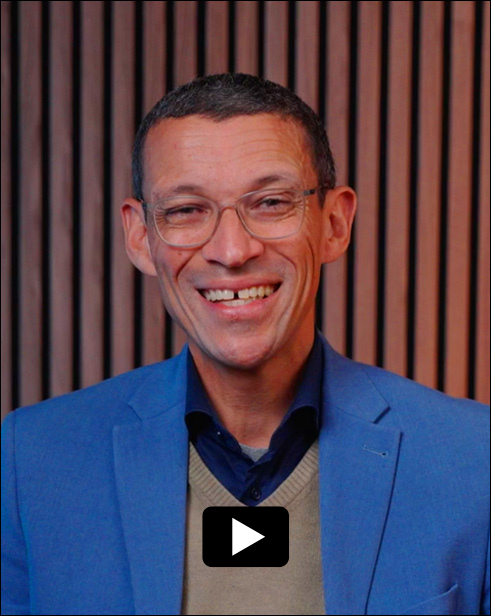
Heinrich Titus
Heinrich serves as our International Apostolic Team Leader, Regional Leader and Pastor of Shofar Somerset West.

Andries van der Merwe
Andries serves as a member of our Apostolic Team, Regional Leader and Pastor of Shofar Hermanus.
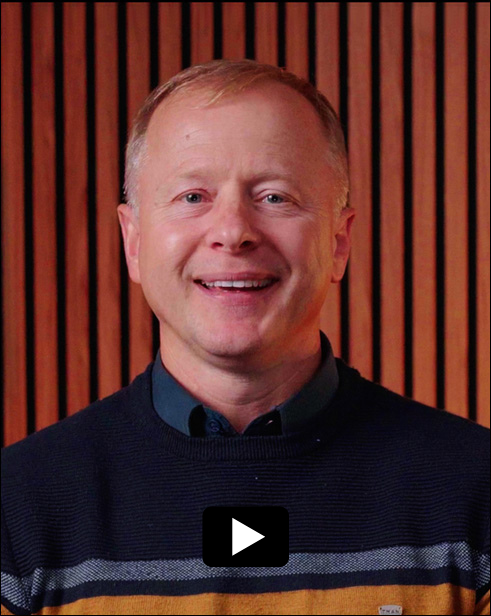
Ross van Niekerk
Ross serves as Regional Leader and Pastor of Shofar Durbanville.

Jan-Cor Brink
Jan-Cor serves as Regional Leader of Namibia and Support Center Manager.
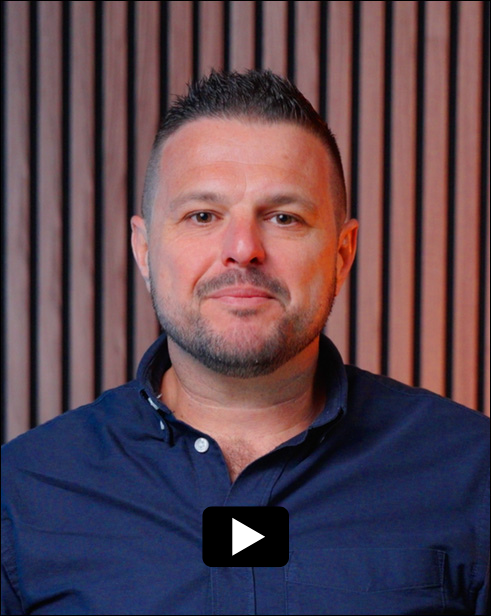
Retief Uys
Retief serves as Pastor of Shofar Table View.
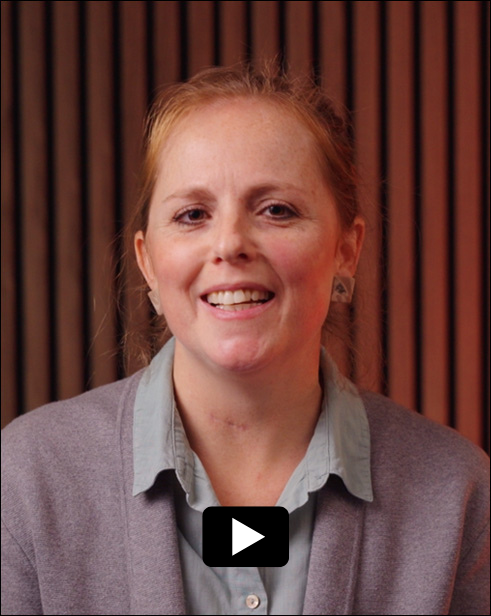
Jolene Wade
Jolene serves as Pastor of Shofar Franschhoek.
Richard Wade
Richard serves as Regional Leader and Pastor of Shofar Franschhoek.
Hennie Swart
Hennie serves as Regional Leader and Pastor of Shofar Randburg and Sandton.
Renee van der Veen
Renee serves as Pastor of Shofar Utrecht.
Christo Louw
Christo serves as Pastor of Shofar Potchefstroom.
Amo O’Kennedy
Amo serves as a member of our Apostolic Team, Regional Leader and Pastor of Shofar George.
Werner Joubert
Werner serves as Pastor of Shofar Hermanus.

Tobias van Reenen
Tobias serves as our Letsgo Coordinator and member of Shofar Stellenbosch.

Carien Cilliers
Carien serves as the Personal Ministry Coordinator at Shofar Durbanville.

De Waal Esterhuizen
De Waal serves as Regional Leader and Pastor of Shofar Stellenbosch.

Anton Bredell
Anton serves as Pastor of Shofar Piketberg.
OUR COMMITMENT
Pastors Commitment
Pastors must nominate their MTP candidate(s) by completing the MTP Candidate Nomination form. You can find the form here.
Pastors must inform the candidate that he/she has been nominated.
For each MTP week, students will have to interview their pastor. Pastors must cooperate with the students in this process, as these interviews will provide vital information and practical knowledge to the students in their training for ministry.
Ideally, the course fees are covered by the local church that is sending the student to MTP. If this is the case, then the pastor must make sure that these costs are covered (in liaison with whoever is in charge of the local church’s finances).
Students Commitment
When pastors nominate their students, each student will receive an email notifying them of their nomination, along with the registration links.
After registering, students will receive all preparation materials.
Students must complete all preparation work for each MTP week before that week begins. Preparation work includes:
a) completing the diary activities in the Fieldnotes of Faith book,
b) watching all the weekly session videos on the online course, and
c) uploading their MTP student bio video.
For the Fieldnotes of Faith diary activities, students will need to interview their pastor. Each student must schedule a meeting with their pastor for this interview.
After each MTP week, students are required to complete the post-session reflection questions on the course site.
Each MTP week will be full of sessions. Students are required to attend all sessions and are strongly advised not to schedule other meetings during this time.
REGISTER NOW
WEEK 1: HEART – Building Your Inner Foundation
WEEK 2: COMMUNITY – Building Through Word and Relationship
WEEK 3: MISSION – Expanding God’s Kingdom
NEED TO KNOW
How does the MTP nomination process work?
– Your pastor nominate you as a MTP candidate by completing the MTP Candidate Nomination form
– You receive an email with the registration details
– You register for the MTP weeks (preferably in order)
– You attend each of the MTP weeks
How does the Registration Process work?
Your pastor will nominate you to do MTP. You will then receive an email with a link to the registration page for each MTP Week. Then, you register for each Week. Once you are registered, you will receive a Fieldnotes of Faith diary activity workbook, and your local congregation will cover the course fees. And then, when the time arrives, you attend the MTP week.
How do I prepare for MTP?
As you register for an MTP Week, you will receive a Fieldnotes of Faith diary activity workbook. These activities must be completed before you attend the MTP Week. Furthermore, with these diary activities, you will have to do an interview with your pastor to get some context for how things are done at your local church. It is advisable to schedule one meeting with your pastor and work through all the interview questions in the Fieldnotes of Faith book with him.
You will also have to upload a short 3–5 minute video introducing yourself to the MTP teachers. Your video should include:
– Your name
– The church you are involved in
– Why you are doing MTP
– How God has led you up to this point to do MTP
– Your expectations for MTP
What are the pastor’s responsibilities?
Pastors must nominate their MTP candidate(s) by completing the MTP Candidate Nomination form. You can find the form here.
Pastors must inform the candidate that he/she has been nominated.
For each MTP week, students will have to interview their pastor. Pastors must cooperate with the students in this process, as these interviews will provide vital information and practical knowledge to the students in their training for ministry.
Ideally, the course fees are covered by the local church that is sending the student to MTP. If this is the case, then the pastor must make sure that these costs are covered (in liaison with whoever is in charge of the local church’s finances).
What does the daily programme look like?
MTP is a full week programme. For each day, we will start early in the morning (at 8:30) and end in the evening (at about 21:00). Please do not schedule any other meetings during these times. We will provide lunch and dinner during these busy days.
Is accommodation provided?
Week 1 and 3 will be hosted by the Shofar Support Centre in Somerset West, whilst Week 2 will be hosted by Shofar Pretoria. We give preference to those travelling from afar, but encourage students to stay with family or friends where possible. If you have to travel far, and there is no other means for you to organise your own accommodation, please contact Louis (see details on the registration form) at least 3 weeks before the start of the MTP week.
Who pays for my MTP course?
The MTP course fees are R1500 per person per week. The course fees are usually covered by the student’s local church. However, if this is not possible, the student might have to do some fundraising.